What is the Difference Between a Coin and a Token?
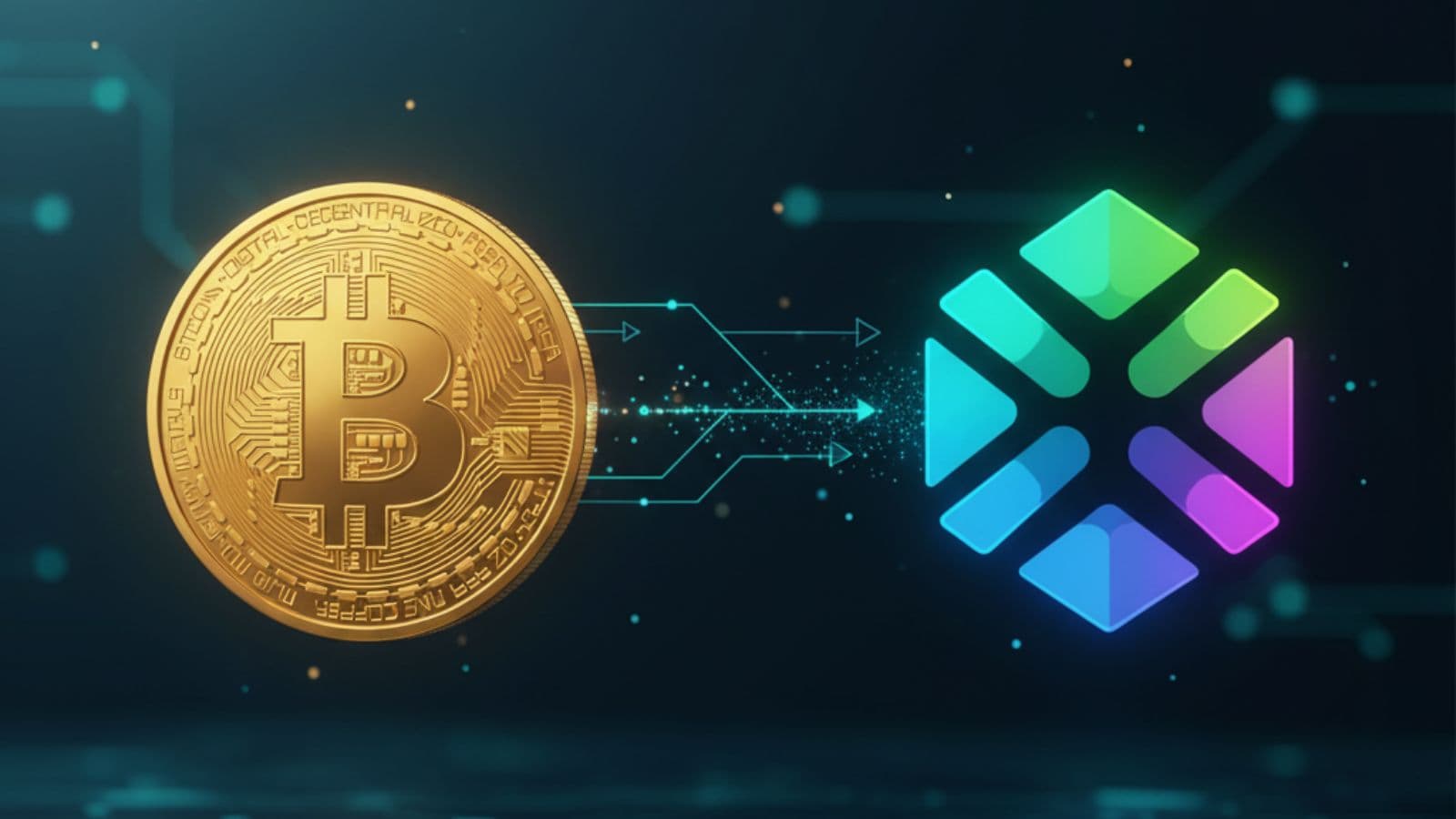
Coin and a Token?
We’ve all heard the terms “coin” and “token” thrown around in the world of cryptocurrency. It’s easy to get them mixed up, isn’t it? But, understanding the distinction is crucial, especially if you’re an investor or even just dipping your toes into the digital asset space. Simply put, these are different types of cryptocurrency assets, and they serve different purposes. We’re here to break down the key differences in a clear and easy-to-understand way.
First of all, why does it even matter? Well, for investors, knowing whether you’re dealing with a coin or a token can significantly impact your investment strategy. For users, it affects how you interact with a particular blockchain ecosystem. We’ll explore the underlying technology, the purpose each serves, and how they function within the broader cryptocurrency market. We’ll make sure you leave with a solid grasp of these concepts.
What is a Coin?
A cryptocurrency coin is a digital asset that operates on its own independent blockchain. This fundamental characteristic distinguishes it from tokens, which reside on pre-existing blockchains. Examples of prominent coins include Bitcoin, Ethereum, and Solana. These digital currencies serve as the native assets of their respective blockchains.
Coins are primarily designed for transactional purposes. They facilitate the transfer of value between users, often serving as a medium of exchange. Additionally, they are frequently used to pay transaction fees within their native network. Furthermore, many coins play a crucial role in securing their respective blockchains through mechanisms such as proof-of-work or proof-of-stake, which are utilized as incentives for network participants.
What is a Token?
In contrast to coins, a cryptocurrency token is a digital asset built on an existing blockchain. This means tokens do not have their own independent blockchain. Instead, they leverage the infrastructure and security of a host blockchain. Common examples include ERC-20 tokens, which are built on the Ethereum blockchain, and BEP-20 tokens, which reside on the BNB Chain.
Tokens serve a wide range of functions within their respective ecosystems. They can be used for governance, granting holders voting rights on protocol changes. Utility tokens provide access to specific services or products within a platform. Stablecoins, another token type, are designed to maintain a stable value, often pegged to a fiat currency. Additionally, tokens can represent various assets, such as loyalty points, digital collectibles, or even real-world commodities.
Key Differences Between Coins and Tokens
The distinction between coins and tokens hinges on several key factors. Firstly, and most fundamentally, is their dependence on blockchain. Coins operate on their own independent blockchains, providing them with autonomy and self-governance. Conversely, tokens are built on and reliant upon the infrastructure of pre-existing blockchains. This difference in foundation leads to distinct functionalities.

Secondly, coins’ primary function is typically transactional, serving as a medium of exchange and a store of value within their respective networks. Tokens, on the other hand, exhibit a broader range of functionalities, including governance, utility, and representation of various assets.
A crucial practical difference arises in transaction fees. When transacting with a token, users must pay “gas” fees in the native coin of the underlying blockchain. For instance, transactions involving ERC-20 tokens on the Ethereum network necessitate using Ether (ETH) for gas fees. This dependence on the host blockchain’s native coin for transaction costs is a defining characteristic of tokens.
Use Cases of Coins vs. Tokens
The practical applications of coins and tokens further highlight their distinctions. Coins, due to their inherent nature as native assets of blockchains, primarily serve as digital money. They facilitate peer-to-peer transactions and are employed for network security through mechanisms like proof-of-stake or proof-of-work. Additionally, coins are used to validate transactions and maintain the integrity of their respective blockchains.
Tokens, by contrast, are instrumental in a wider array of use cases. They are fundamental to the functionality of smart contracts, enabling automated and trustless agreements. In the realm of decentralized finance (DeFi), tokens are used for lending, borrowing, and trading. Governance tokens empower communities to participate in decision-making processes, influencing the direction of projects. Furthermore, non-fungible tokens (NFTs) leverage blockchain technology to represent ownership of unique digital or physical assets, showcasing the diverse applications of tokens.
Examples of Popular Coins and Tokens
To solidify the distinctions discussed, it is helpful to examine specific examples of widely recognized coins and tokens. Prominent examples of coins include Bitcoin (BTC), the first and most well-known cryptocurrency in the cryptocurrency space, functioning primarily as a decentralized digital currency. Ethereum (ETH) is another notable coin that has fueled its blockchain and enabled smart contract execution. Solana (SOL) is a high-performance blockchain coin designed for speed and scalability.

In contrast, popular examples of tokens include Tether (USDT), a stablecoin pegged to the US dollar, designed to maintain a stable value. Uniswap (UNI) is a governance token for the decentralized exchange of the same name, granting holders voting rights. Chainlink (LINK) is a utility token used to pay for services on the Chainlink decentralized oracle network, which provides real-world data to blockchains. These examples illustrate the cryptocurrency ecosystem’s diverse applications and characteristics of coins and tokens.
Conclusion
In summary, the difference between coins and tokens lies primarily in their dependence on and functionality on blockchains. Coins operate on independent blockchains, serving as foundational digital currencies for transactions and network security. Tokens, conversely, are built on existing blockchains, offering diverse utilities like governance, access to services, and representation of assets.
Understanding this distinction is vital for navigating the cryptocurrency landscape. Investors and users alike must recognize the unique roles each plays. Coins, with their self-sufficient nature, are akin to digital commodities, while tokens, with their diverse applications, are more like digital contracts or access keys. Recognizing these differences allows for informed decisions and a clearer understanding of the potential and limitations of each type of digital asset.