Understanding Gas Fees and How to Save on Transactions
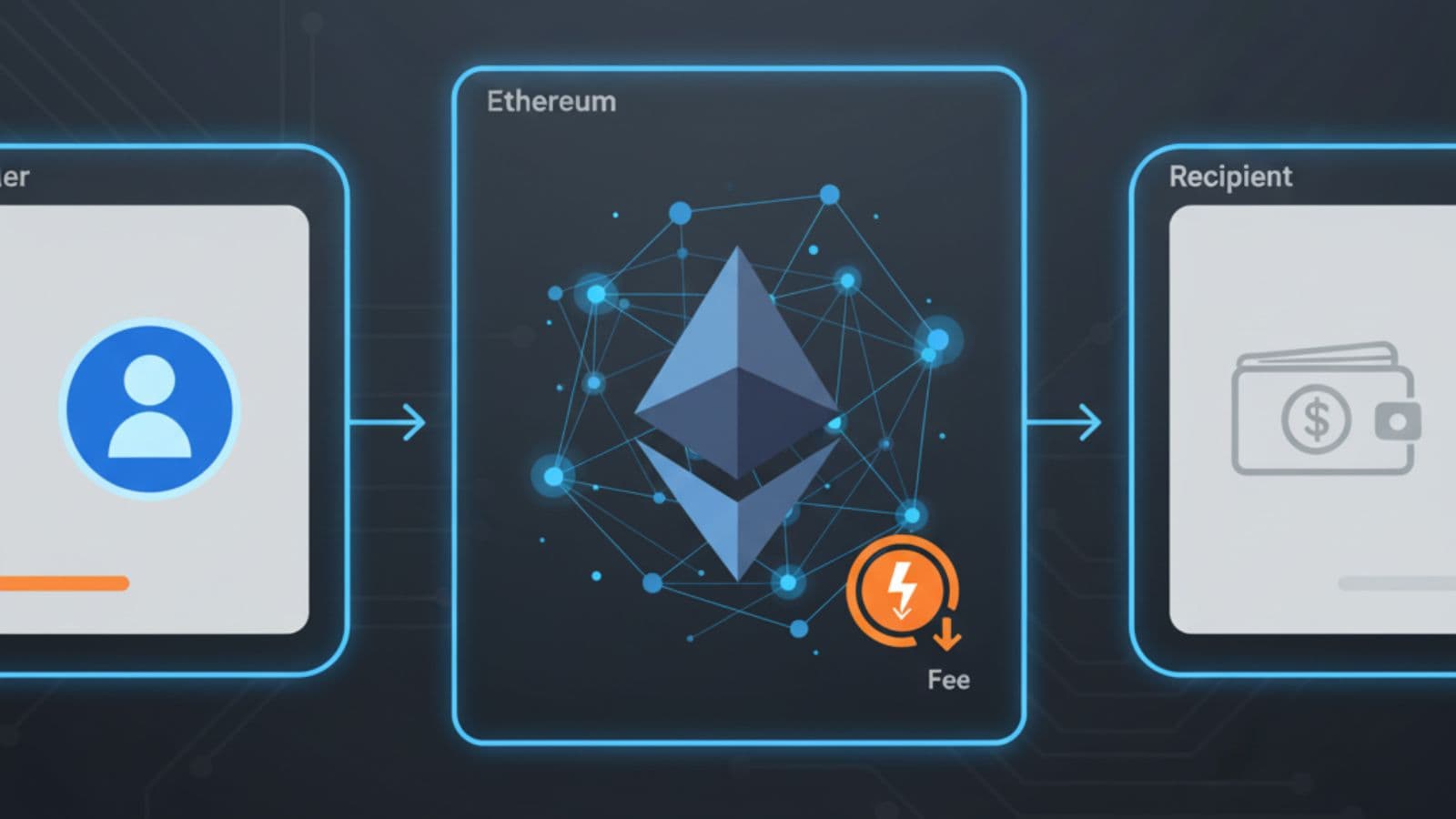
We’ve all been there. You’re ready to make a cryptocurrency transaction, and then, bam, you see the gas fees. It can be a confusing and sometimes frustrating experience. What are these fees, and why do they fluctuate so wildly? Put, gas fees are the cost of processing transactions on a blockchain, like Ethereum. Think of them as the fuel that keeps the network running. Miners or validators use these fees to validate and include your transaction in a block.
These fees aren’t just a minor inconvenience. They significantly impact the cost-effectiveness of our crypto activities. High gas fees can make small transactions impractical and eat into our profits when trading. Understanding how they work is crucial. We’ll explore how these fees are calculated and, more importantly, how to minimize them to make our crypto journey smoother and more affordable. Let’s dive in and learn how to navigate the world of gas fees together.
What Are Gas Fees?
Gas fees are essentially the transaction fees paid to blockchain validators for processing transactions. They’re a mandatory cost for any interaction with a blockchain network. Think of them as the price we pay to use the network’s resources. They cover the computational effort required to validate and add transactions to the blockchain. Without these fees, the network would be vulnerable to spam and denial-of-service attacks.
Specifically, on networks like Ethereum, BNB Chain, and Polygon, gas fees power the underlying infrastructure. They incentivize miners or validators to prioritize our transactions. This ensures the network operates smoothly and securely. Validators receive these fees as a reward for their work. This is how they maintain the network’s integrity. These fees are vital for security, efficiency, and ensuring a functional and robust blockchain ecosystem.
How Gas Fees Are Calculated
Several factors influence the final cost of gas fees. Network congestion is a primary driver. When demand is high and many pending transactions, validators prioritise those with higher fees. This creates a bidding war, pushing gas prices up. Transaction complexity also plays a role. More complex operations, such as smart contract executions, require more computational resources, leading to higher fees. The gas limit, set by the user, specifies the maximum amount of gas they’re willing to pay for a transaction.

Gas fee calculations differ across blockchains. Ethereum, for example, uses a base fee system, which fluctuates based on network demand, plus a priority fee (tip) paid to validators. BNB Chain and Polygon, while also using gas fees, often have lower costs due to different consensus mechanisms and network structures.
Real-world examples illustrate the volatility of gas fees. During high NFT minting or decentralized finance (DeFi) activity on Ethereum, fees can surge significantly. Conversely, during quieter periods, fees decrease. These fluctuations highlight the dynamic nature of blockchain transaction costs.
Blockchains With High vs. Low Gas Fees
The cost of gas fees varies significantly across different blockchain networks. Ethereum, particularly during peak usage periods, frequently experiences high gas fees. This is due to its high demand and the computational complexity of its smart contracts. Similarly, the Bitcoin network, while not utilizing “gas” in the same way, can also see elevated transaction fees when network activity is high.
Conversely, several blockchains are known for their relatively low gas fees. Solana, for example, employs a proof-of-history consensus mechanism, enabling high throughput and lower transaction costs. Polygon, a layer-2 scaling solution for Ethereum, also offers significantly reduced fees by processing transactions off-chain. With its unique consensus protocol and BNB Chain and its efficient block production, Avalanche provides users with cost-effective transaction options. These differences in fee structures arise from variations in network architecture, consensus mechanisms, and overall network demand.
How to Save on Gas Fees
Minimizing gas fees is a crucial aspect of efficient blockchain usage. One effective strategy is to conduct transactions during periods of low network traffic. Typically, gas fees are lower during off-peak hours, such as late nights or weekends, depending on the network’s user base.
Leveraging layer-2 scaling solutions can also significantly reduce costs. Platforms like Polygon, Arbitrum, and Optimism process transactions off the main Ethereum chain, thereby lowering the associated fees. Alternatively, switching to blockchains with inherently lower transaction costs, such as Solana, Avalanche, or BNB Chain, provides another viable option.
Optimizing transaction settings is essential. Adjusting the gas limit and priority fees can impact the overall cost. Setting a lower gas limit risks transaction failure, while a higher limit results in unnecessary expenses. Carefully balancing these settings is crucial. Finally, utilizing gas fee tracking tools, including websites and browser extensions, allows users to monitor real-time gas prices and identify optimal transaction times. These tools provide valuable insights, enabling users to make informed decisions and reduce transaction costs.
Conclusion
In conclusion, understanding gas fees is essential for anyone navigating the world of blockchain transactions. While these fees can seem daunting, they’re a necessary component for maintaining network integrity and security. We’ve explored how these fees are calculated, the factors that influence them, and the significant variations across different blockchains.
By implementing strategies like timing transactions during low-traffic periods, utilizing layer-2 solutions, or switching to low-fee blockchains, we can significantly reduce our transaction costs. Optimizing transaction settings and gas fee tracking tools further empowers us to make informed decisions.
Ultimately, mastering gas fees helps us maximize the efficiency and cost-effectiveness of our blockchain activities. As the blockchain landscape evolves, staying informed and adaptable will ensure we can navigate these fees successfully, making our crypto experiences more seamless and affordable.