The Promise of Decentralized Social Networks
The social media landscape, dominated by a few giants, often leaves us feeling a bit uneasy. We’ve grown accustomed to centralized platforms dictating what we see, how our data is used, and even who can speak. This model presents clear limitations for free expression and user autonomy. It’s time to explore a different path, one that empowers us, the users, and puts control back into our hands. We believe decentralized social networks offer a compelling alternative to the status quo.
In this article, we’ll dive into the exciting world of decentralized social media, exploring core principles and how it differs from traditional platforms. We’ll also discuss the potential benefits, such as enhanced privacy and greater censorship resistance.
Understanding Decentralized Social Networks
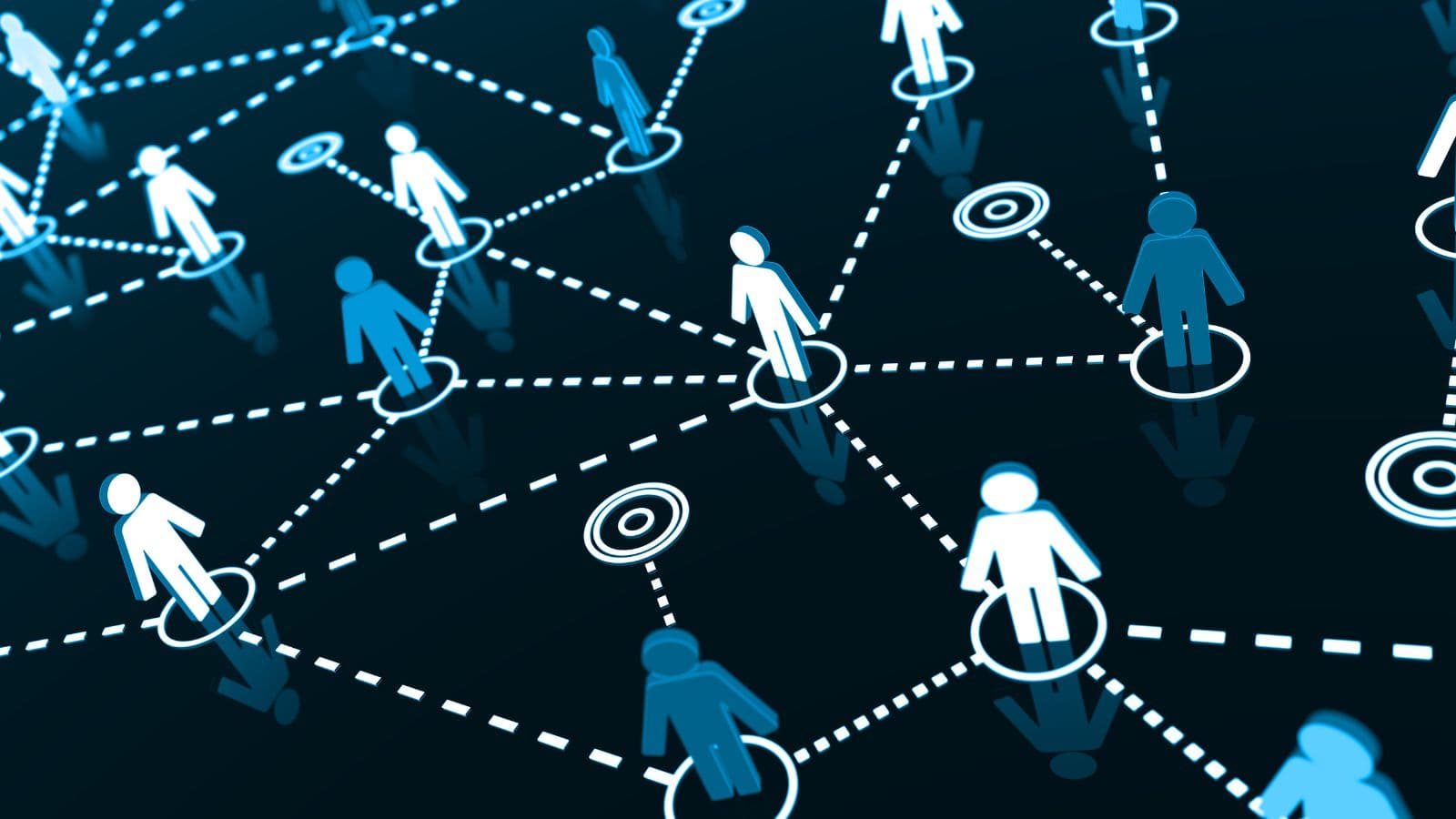
Understanding decentralized social networks (DSNs) begins with grasping their fundamental departure from the conventional social media model. Unlike platforms such as Facebook or X (formerly Twitter), which operate on centralized servers and are controlled by a single entity, DSNs are built on a distributed architecture. This means there is no central authority dictating content, managing data, or controlling access. Instead, control is distributed across a network of participants, empowering individual users with greater autonomy over their data and interactions. This paradigm shift aims to mitigate issues like censorship, data exploitation, and algorithmic manipulation prevalent in centralized systems, fostering an environment where users truly own their online presence.
The realization of decentralized social networks relies heavily on several key technological advancements. Foremost among these is Blockchain or Distributed Ledger Technology (DLT), which provides an immutable and transparent record of transactions and data without the need for a central intermediary. Complementing this, peer-to-peer (P2P) networks enable direct communication and data exchange between users’ devices, eliminating the reliance on centralized servers and enhancing resilience. Furthermore, cryptographic principles are integral, ensuring the security, privacy, and authenticity of data and communications within these distributed environments, thereby safeguarding user identities and content.

Benefits of Decentralized Social Networks
Decentralized Social Networks (DSNs) offer a compelling vision for a more equitable and user-centric online world, presenting several significant benefits over their centralized counterparts.
Enhanced Privacy and Data Ownership
One of the most compelling advantages of decentralized social networks is the significant enhancement of user privacy and the restoration of data ownership. Unlike traditional platforms where a central entity collects and controls vast amounts of personal information, DSNs empower users with direct control over their own data. This architecture inherently reduces the risk of large-scale data breaches, as there isn’t a single honeypot of sensitive information for malicious actors to target. Furthermore, it shifts away from the common model where user data is exploited for advertising or other commercial purposes, allowing individuals to decide precisely what information they share and how it is used.
Censorship Resistance and Free Speech
Decentralized social networks are designed to be inherently resistant to censorship, a critical feature in an increasingly monitored digital landscape. By eliminating a central point of control, there is no single entity that can unilaterally decide to remove content or suspend accounts based on commercial interests, political pressure, or arbitrary rules. While community-driven moderation mechanisms can exist, they are typically more transparent and democratically governed than the opaque decisions made by centralized corporations. This resilience against platform-level censorship fosters a more robust environment for free expression, ensuring that diverse voices and perspectives can be shared without fear of suppression.
User Empowerment and Community Governance
A core promise of DSNs lies in the empowerment of their users through robust community governance models. Rather than being passive consumers of content and features, users often have a direct say in the development, evolution, and even the rules of the network. This can manifest through various mechanisms, such as token-based voting or community-led proposals, ensuring that decisions reflect the collective will of the participants rather than the agenda of a single corporation. Furthermore, decentralized structures open doors to fairer monetization models, where value can flow directly to content creators and users, bypassing intermediaries and fostering a more equitable digital economy.
Interoperability and Open Standards
Decentralized social networks, by their very nature, tend to favor open standards and protocols, paving the way for unprecedented interoperability. This means that users might seamlessly interact and share content across different DSN platforms, forming an interconnected “fediverse” where communication isn’t walled off within proprietary ecosystems. This open approach significantly mitigates “vendor lock-in,” giving users the freedom to move their profiles, content, and social graphs between various services without losing their digital footprint. Such interoperability not only enhances user flexibility but also drives innovation, as developers can build new applications and services atop existing decentralized social graphs, fostering a more dynamic and competitive environment.
Challenges and Contraindications
While the promise of decentralized social networks is compelling, their path to widespread adoption faces significant hurdles that require careful consideration. Technical challenges, primarily concerning scalability, persist as DSNs grapple with efficiently processing and storing vast amounts of data and managing large user bases in a distributed environment, often leading to performance limitations compared to centralized systems. This technical complexity often translates into a steeper learning curve and less intuitive user experience for the average individual, hindering mainstream adoption in an era where users expect seamless and effortless digital interactions. The current lack of widespread awareness further exacerbates this issue, making it difficult for DSNs to compete on ease of use.
Beyond technical and user experience hurdles, significant societal and growth challenges remain. The absence of a central authority, while beneficial for censorship resistance, presents complex problems for effective content moderation and the management of harmful or illegal content, requiring innovative community-driven solutions that balance free speech with user safety.

Furthermore, decentralized networks must contend with the powerful network effects enjoyed by established centralized platforms. Attracting a critical mass of users to overcome the inherent advantage of platforms where everyone’s friends and communities already reside is a substantial barrier, demanding compelling value propositions and sustained effort to foster new digital communities. Addressing these multifaceted challenges is crucial for decentralized social networks to transition from promising alternatives to viable, mainstream digital spaces.
Conclusion
The journey towards decentralized social networks is undeniably complex, fraught with technical hurdles and the challenge of shifting ingrained user habits. Yet, the promise they hold for a more equitable and resilient online world remains profoundly compelling. We’ve explored how DSNs can fundamentally alter our digital experience, offering robust solutions for enhanced privacy, true data ownership, and unparalleled resistance to censorship. The vision of user-empowered communities governing their own digital spaces, coupled with the potential for seamless interoperability across platforms, represents a significant evolution from the centralized models we currently navigate.
While significant work lies ahead in refining scalability, simplifying user experience, and developing effective content governance, the underlying principles of decentralization point towards a future where the internet is truly by and for its users. The growth and innovation within this space signal a vibrant movement towards a more open, transparent, and democratic digital landscape. The promise isn’t just about new technology; it’s about reclaiming our digital autonomy and building an internet that genuinely serves humanity’s best interests.